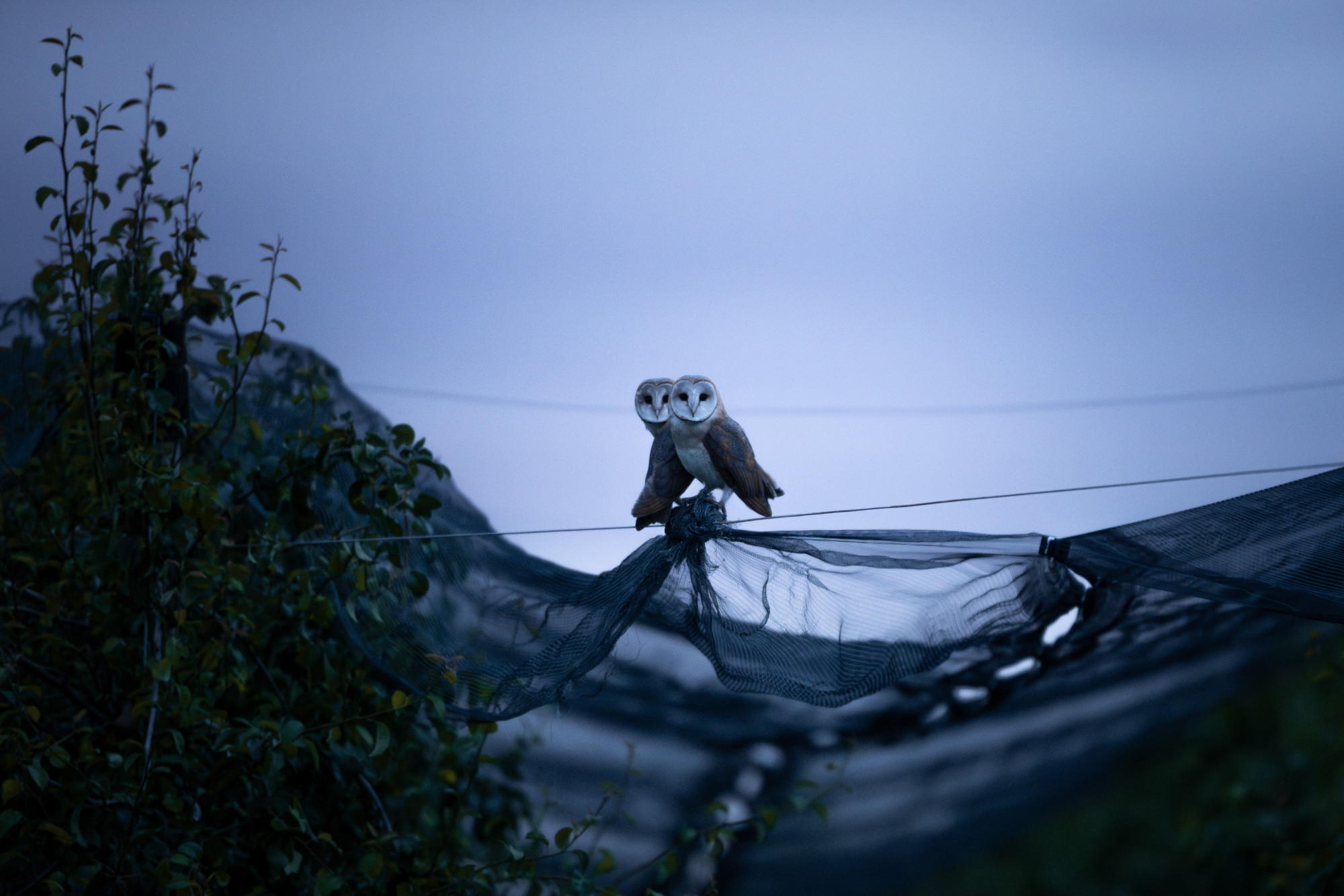


Naturpark Diemtigtal - © François Margot

Imkerei im Naturpark Gantrisch © Janosch Hugi/Netzwerk Schweizer Pärke

Wildnispark Zürich Sihlwald © ST-BAFU
For nature
What we do
The Swiss parks are extraordinary regions: their inhabitants are committed to nature and culture and support the local economy. Together, the 20 Swiss parks form a community of values.
Great scenic and biological diversity
Swiss parks boast a huge diversity of natural landscapes. There are forests in varying forms, natural rivers and lakes, Alpine and Jura meadows, rare habitats such as moors, wetlands and dry grasslands, as well as glaciers in the Alps. This diversity of habitats results in a rich variety of flora and fauna. An above average number of endangered species live in the Swiss parks.
Preserving habitats
Large, functional, well-integrated habitats are necessary to preserve and boost biodiversity in the Swiss parks. Today these habitats are still too fragmented.
Swiss parks host an above average number of protected areas. Nevertheless, human activities are expected in most of them. After all, they created today's multifaceted cultural landscapes.
The Swiss parks are committed to preserving and streghtening their natural habitats. They encourage local appreciation of the biodviersity and create a network between the various stakeholders and above the usual border of sectoral policies. Thus, they create a basis for a long-term protection of the habitats and biodiversity.
Landscape quality
Each park features characteristic natural and cultural landscapes. They are the root of the local community's identity and make the region attractive for guests.
Swiss parks therefore strive to preserve and improve the quality of their landscapes. They serve as a platform for the exchange of ideas and information between all concerned parties.
Landscape conservation
Swiss parks actively participate in preserving their cultural landscapes. Amongst other things, they do so through labels for regional products, awareness and educational activities for the community and visitors or special corporate volunteering programs where companies or organisation employees care for nature under expert guidance.
Projects «Park Bird»
The Swiss parks and the Swiss Ornithological Institute work together to preserve, maintain and enhance the habitats of various bird species. The following projects are carried out in partnership.
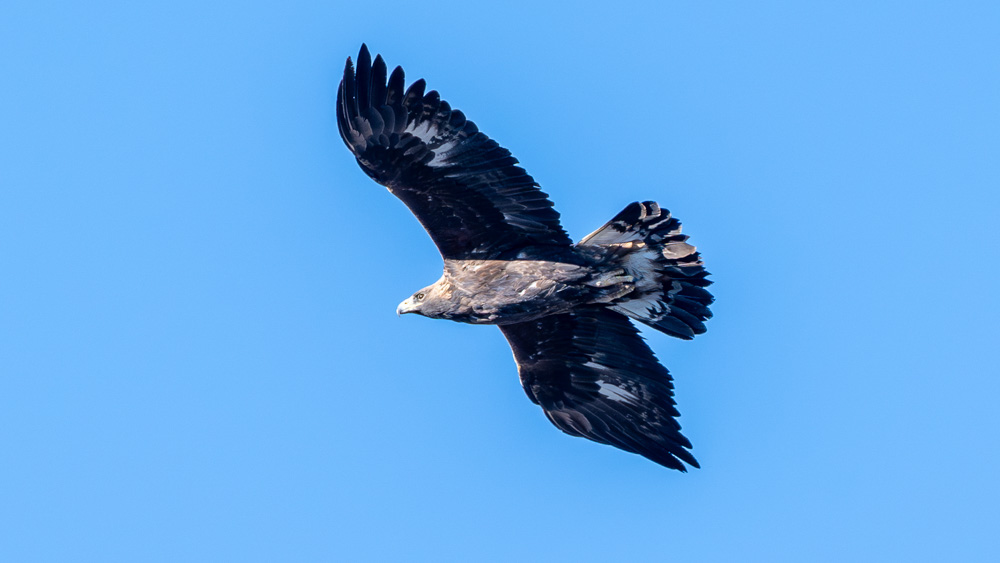
Steinadler Monitoring

Parkvogel Feldlerche

Les oiseaux du Parc

L'oiseau du Parc - L'alouette lulu

Avimonitoring im Wildnispark Zürich Sihlwald