
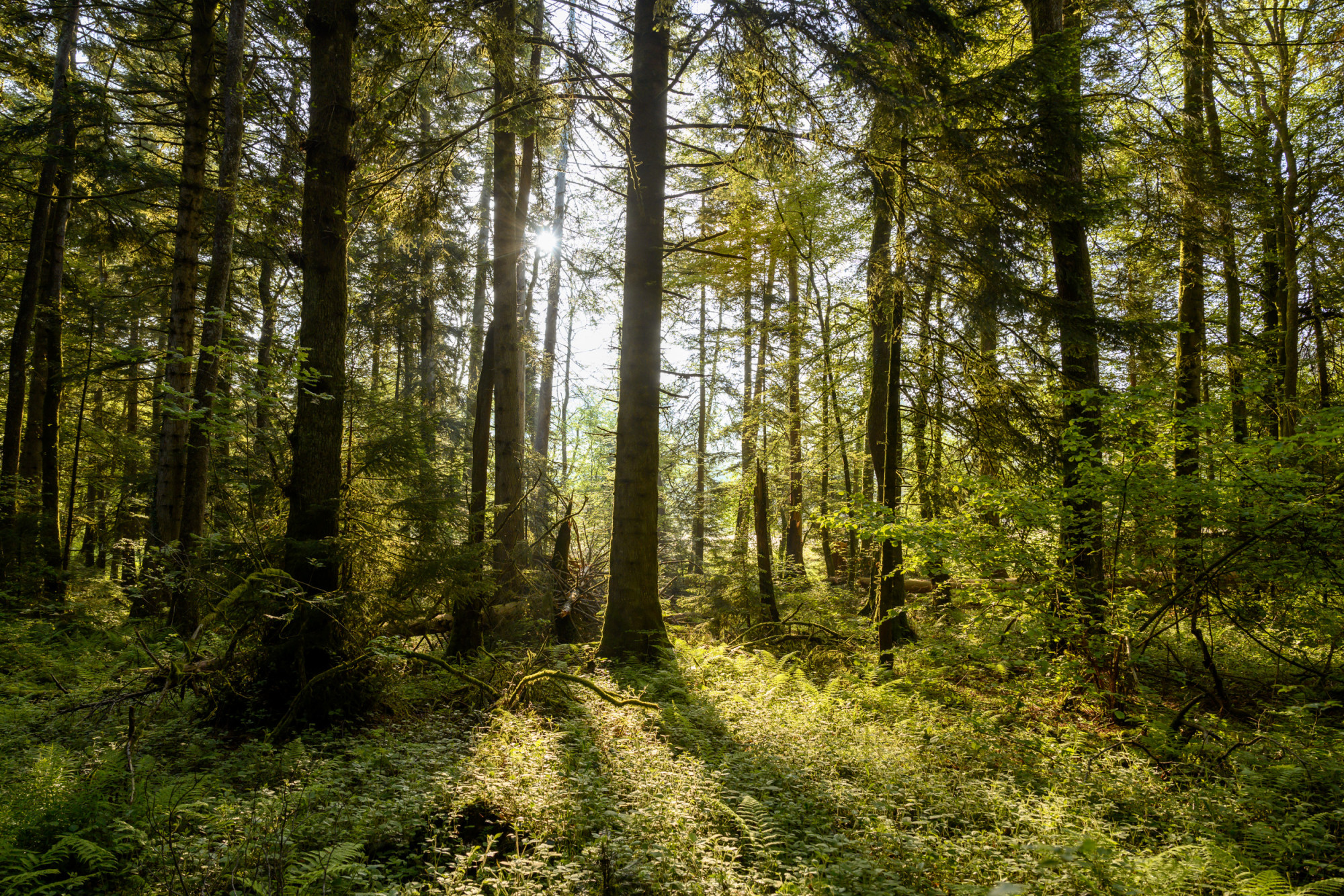


Parc Jura vaudois
© Schweiz Tourismus / Christian Meixner
Recommendations
for a respectful visit to the regional Nature Parks
These recommendations are supported by the Swiss Federal Office for the Environment (FOEN) and the association “Natur und Freizeit”.
Good planning protects both you and nature.
Plan ahead and check trails, routes, weather conditions and protected areas before setting off.
Travel in an environmentally friendly way by public transport.
If you need to travel by car, carpool, use car-sharing services and park only in designated parking areas.
Keep your distance from wildlife and treat animals with respect.
Stay on designated paths and routes, follow local signs and keep your dog on a leash. If you encounter wild animals, keep your distance from them, do not feed them and move away if they show signs of distress or try to flee.
Respect sensitive wildlife habitats.
Where possible, avoid recreational activities in wildlife habitats at dusk and at night. Stay away from vegetated shorelines and gravel banks, as these are important refuges and breeding grounds. Leave your drone at home, as wildlife may perceive it as a threat.
Protect plants, fungi and water bodies.
Do not pick wildflowers and respect seasonal restrictions on mushroom picking. Only collect edible wild plants, berries and mushrooms outside protected areas and in small quantities. Remember that they are also an important food source for wildlife. Use environmentally friendly sunscreen and avoid applying it immediately before swimming.
Be a considerate cyclist
Follow the official cycle routes and respect local cycling restrictions. Make your presence known in a friendly manner, slow down in good time and pass hikers at low speed. Always ride at a controlled speed and avoid locking your wheels when braking to help protect the trails.
Take care around fences, herds and fields.
Close pasture gates, cross meadows and pastures using existing paths, and do not pick anything from other people’s fields or trees. Keep your distance from grazing animals and pass them calmly, especially in the case of livestock guard dogs and cows with calves.
Camp responsibly.
Stay overnight at official campsites and designated parking areas or ask the landowner for permission. Be considerate of protected areas and sensitive habitats, and follow the applicable regulations.
Be careful with fire and leave no trace.
Use official fire sites and be aware of the risk of forest fires. Use firewood sparingly and leave the site clean. Take your rubbish with you and, where possible, collect any litter you find along the way. If you need to relieve yourself outdoors, keep your distance from bodies of water, bury your waste and take toilet paper and other hygiene items with you.
Support the local community.
Visit local restaurants, shops and hotels during your stay. Take the time to meet locals and ask for permission before entering private property. Share your trips thoughtfully on social media, as many places are sensitive to large numbers of visitors.