Parc naturel régional Gruyère Pays-d'Enhaut
Les Avants – Montreux
From tranquil mountain pastures to tumultuous waterfalls.
The Chauderon gorges are closed until further notice.
Hiking trail
Time required: 2 hours 55 minutesLength: 9.10km

Swiss Parks Network
Monbijoustrasse 61
CH-3007 Berne
Tel. +41 (0)31 381 10 71
Mob. +41 (0)76 525 49 44
info@parks.swiss

From tranquil mountain pastures to tumultuous waterfalls.
The Chauderon gorges are closed until further notice.
Situés à 900 m d'altitude, les Bains entourés d'un panorama exceptionnel, les Bains offrent une vue splendide sur les Préalpes fribourgeoises.
The Alp cheesemaking season is short. Between April to October, alpine farmers make between two and three wheels of Alp cheese every day. The process involves heating milk in huge 800-litre capacity copper vats; twelve litres of milk are needed to make one kilo of cheese. The altitude and position on the mountain slope of the alpine farm as well as the surrounding flora and the cheesemaker’s expertise are what lends each cheese its unique and distinctive character. It is precisely this diversity that sets Gruyère d'Alpage AOP apart.
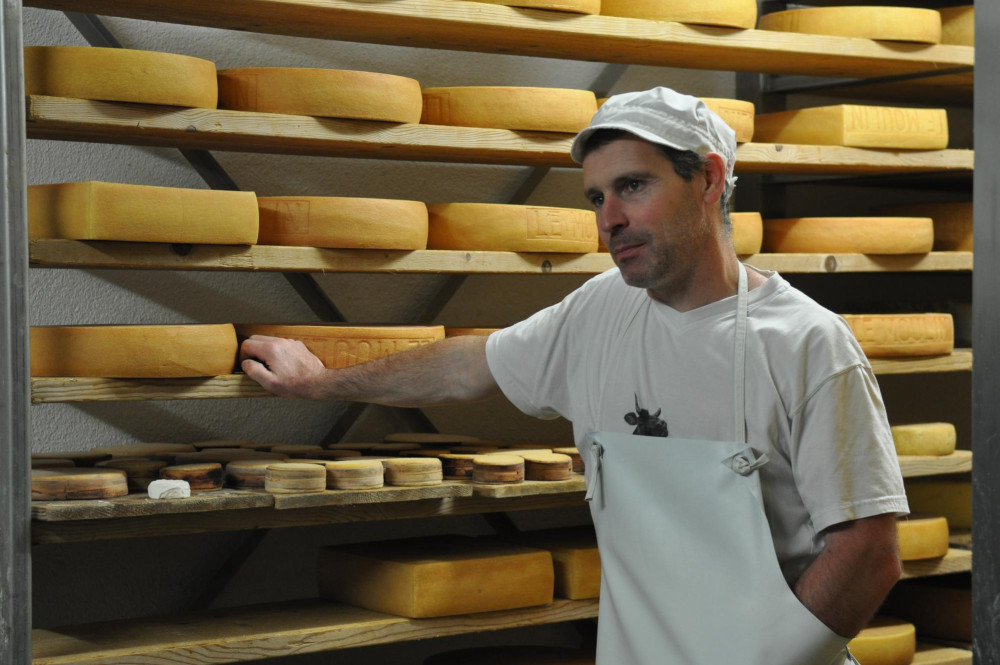
Because Alp cheeses must be turned and brushed every day, in both summer and winter, they cannot be kept in the mountain ripening cellars for the entire 24 months. The armaillis [mountain dairy farmers] move the wheels to the La Tzintre ripening cellars (Charmey) in the valley below. These facilities, which accommodate 7,000 wheels of both Gruyère AOP (approx. 150 tonnes) and Vacherin fribourgeois AOP (20 tonnes), offer the best possible storage and matur
Starting point / trailhead : Alpage de la Dent, Château-d'Œx
Point of arrival : Cabane des Choucas
Starting in Les Combes, the trail leads over meadows and pastures down to the Saane river and crosses it. The trial then goes over an old suspension bridge before one arrives in the village centre of Château-d'Oex.
La Pierreuse, green pastures, and limestone slopes
In our office, you will find various informative brochures about Col des Mosses and the region, as well as a personable welcoming committee who will gladly help you plan your visit. Specific suggestions will help you choose the activities that best suit you in the region.
There are countless opportunities for tourists in the Mosses – La Lécherette plateau region from family skiing, cross-country skiing and snowshoeing in winter to hiking, mountain biking and other warm weather activities in summer. This region is known for its beautiful natural landscapes and alpine lakes.
Our tourist office is also equipped with an information point for the Gruyère Pays d’Enhaut Regional Nature Park, where you can find all the documents published by the park.
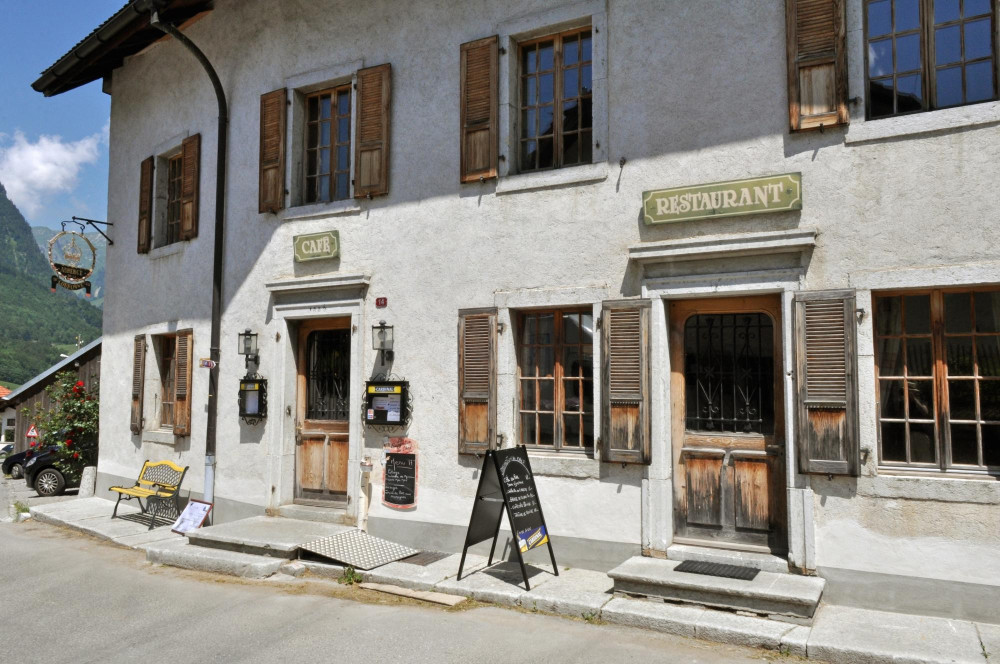
Its buildings feature carved corbels which support their awnings. Following this tradition, carpenter Moïse Henchoz built the former inn, Lion-d’Or.
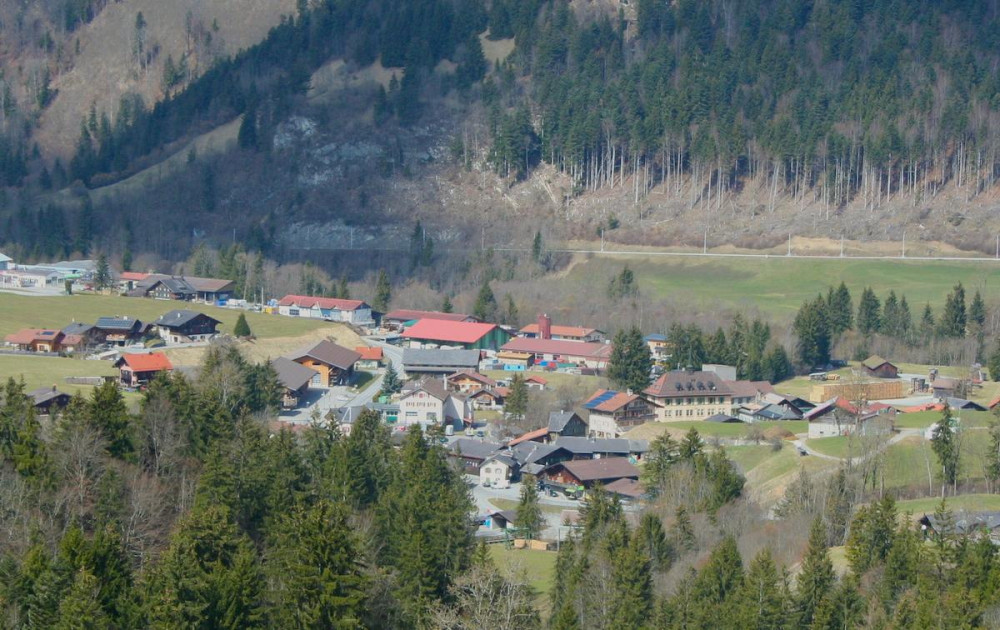
The walk goes over pastures on the floor of Les Moulins valley to the bank of the River Saane. It continues to the old transit road, that in former day connected the Riviera or the Gruyère country with the Pays-d’Enhaut and Saanenland.
In 2009 the Les Moulins cheese dairy was threatened with closure. Pierre Buchillier, with the backing of local producers, came to its rescue, taking over the premises and its contents wholesale. He subsequently became an independent milk buyer with the milk cooperative, while the local producers converted to organic dairy farming.
As well as making organic Gruyère AOP, which has won several international awards, he has expanded the cheese dairy’s range to include products like raclette cheese and P’tit Moulin.
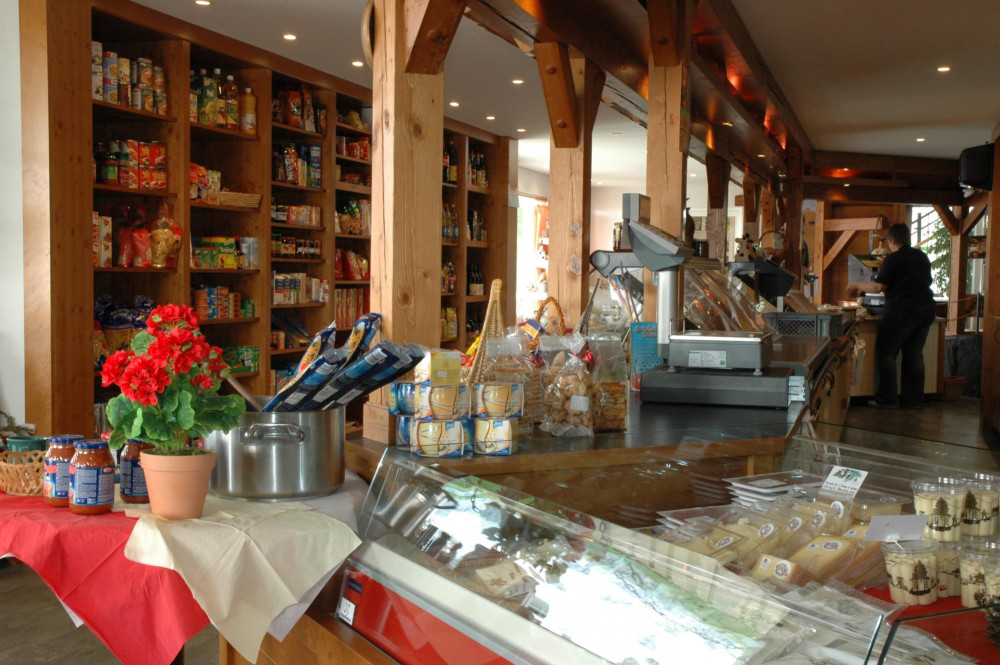
Pierre and his wife Marie-Noëlle also sell their cheeses as well as a wide range of authentic Pays-d’Enhaut products in the cheese dairy’s shop, which is open 7 days a week.
The village of Lessoc is in the federal inventory of sites of national importance. It is made up of a dense network of houses and farms from the golden age of Gruyère, with strong presence of late gothic decor (window and door frames) modeled after those of the medieval city of Gruyères. It is one of the rare villages in the l’Intyamon to have a square with a remarkable covered fountain.
Starting at the Lessoc well (1796), whose cupola was a gift of a cheese merchant from Lyon, the trail leads to Montbovon.
On the old stone path linking the village of Lessoc to Montbovon, sits the most complete, well-preserved wood covered-bridge in the canton of Fribourg. The construction date is carved into the oak crossbar on the right bank: 1667.
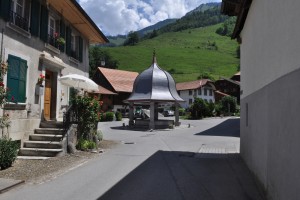
The fountain consists of an octagonal limestone basin with a central pillar holding an obelisk. It was built in 1796 by the mason, Jacques Vicarino and the blacksmith, Noé Both. Its eight-sided dome is said to be in imperial style. It was a gift from a wealthy inhabitant of Lessoc, Louis Zurich who earned his riches in the cheese market.
Here is the famous legend of Lessoc Fountain:
Good Colin loved his birth-village of Lessoc. In fact he loved it so much that he rarely ventured too far from his homeland. His favorite part was the lovely village fountain where cows came to drink, morning and evening; and where women came together to wash their clothing, just as well-versed in bleaching whites as discussing town gossip. One day, as the women did the washing, Colin passed by with his horse and cart, on his way to the fair in a neighboring village.
Colin sold two fine pigs and a black and white cow before heading home, with a smile on his lips and his wallet swollen in his pocket.
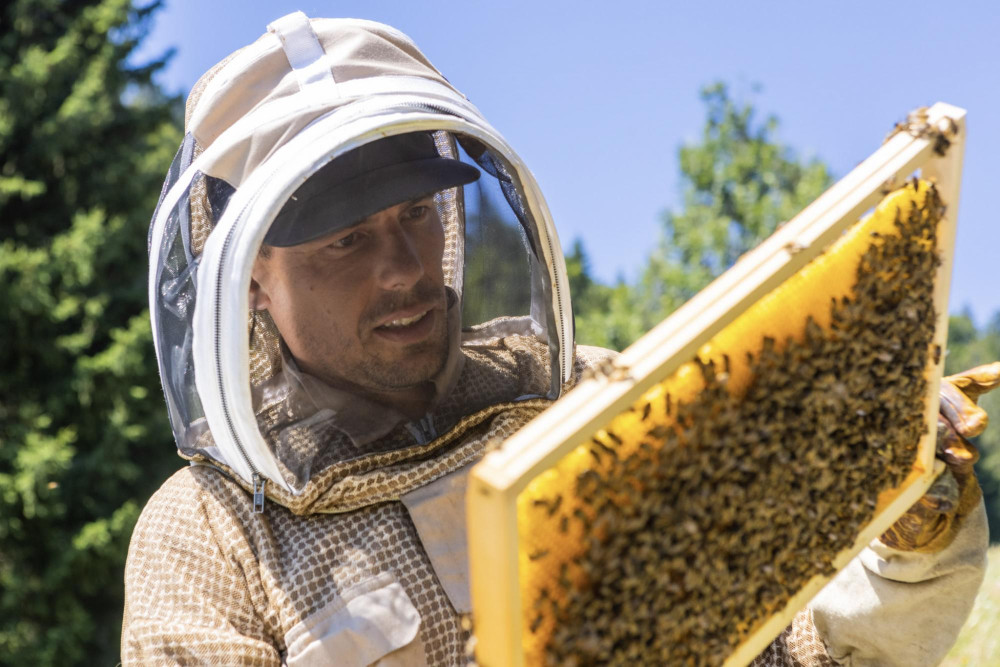
Julien Rouget is a man of adventure and a lover of the great outdoors. Originally from Brittany, Julien worked as a river guide in Canada for more than 10 years before he settled in Charmey, having fallen under the charm of the rugged, pristine landscape and vibrant social and cultural life of the Jaun valley.
As well as working for the resort’s ski lift company, TéléCharmey, Julien is an avid apiarist. He feels the deep connection with his adopted home most keenly when he is tending to his hives. Today, Julien lives in tune with the seasons and in harmony with his bees. The area around Crésuz, Cerniat and La Valsainte is an excellent habitat for bees. As the small hills and gentle slopes face in different directions, the wide variety of wildflowers that grow there bloom at different times, extending the feeding season for these prodigious pollinators.
L'Abeille des Préalpes is the name of the honey produced by Julien's bees. There are two types – spring and mountain honey – and b
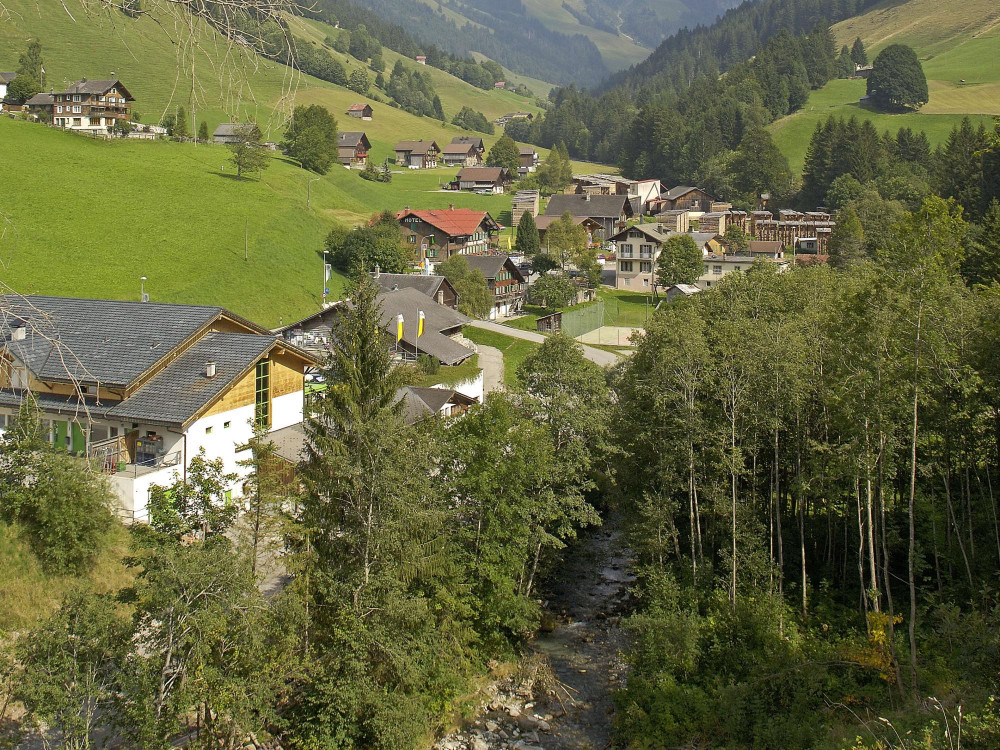
The wood buildings of L’Etivaz, some of which date to the 16th century, bare witness to a rich architectural heritage. Spreading over 7 km in the Torneresse valley, you will find this charming hamlet of very old homes, in a pastoral setting.
The houses and their nearby barns/stables punctuate the bottom of the valley, where farmers and livestock, alike, pass the winter.
Cheese and food sales. Organizes tours of cheese aging cellars. Reservations requested.
Community hall rental for parties and banquets.
In Pringy, Mazette transforms local fruit into characterful ciders and tackles food waste through a collaborative approach.
Du versant bernois au versant fribourgeois des Gastlosen
Between Gruyères and Intyamon
Cited as early as 1255, Montbovon has long been a busy crossroads. Located along the Sarine, it is the junction of the roads of three worlds: the Gruyère, the Pays-d’Enhaut, and the Lake Geneva basin. This crossroads is also emphasized by the meeting of two railroads: Montreux Oberland Bernois (1903) and Transports Fribourgeois (1904), which brought modernity into these valleys.
From Montbovon the trail ascends on the left side of the valley into a pretty little valley. This historical trail leads as far as the Pont du Pontet, one of the oldest bridges in the Canton of Freiburg (17th century).
Walk through the undulating, wooded countryside of the Intyamon, with some wonderful features including a covered bridge, the village of Lessoc and its famous fountain, the waterfall and grotto in Grandvillard.
A journey through a peaceful valley
First mentioned in the 12th century, all that's left of Montsalvens Castle today is its tower, which was built around 1260. The site was restored in 1671 but was abandoned soon after.
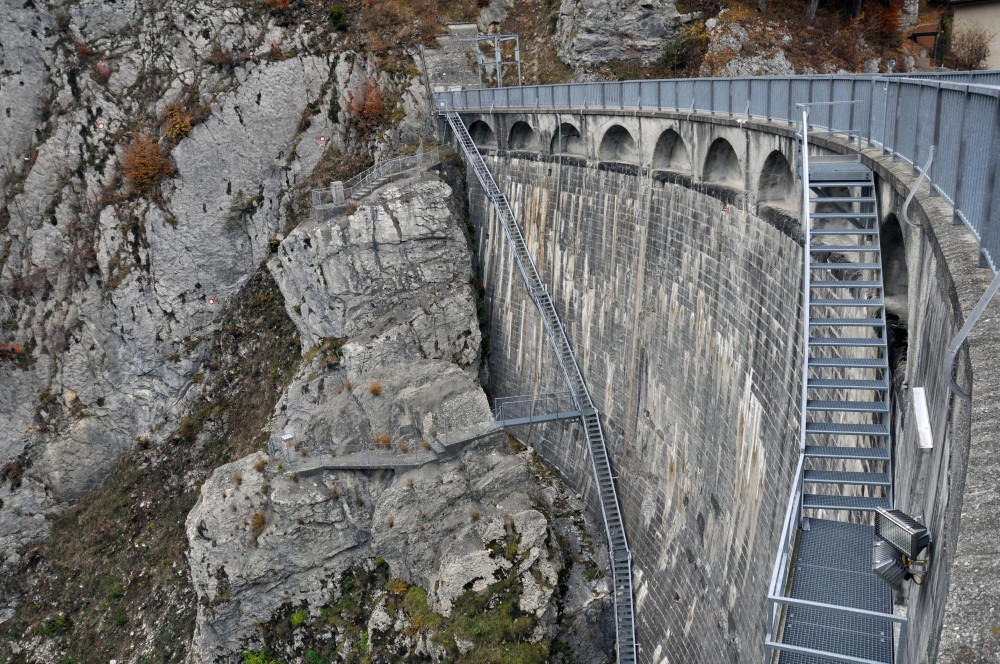
This dam, located along the Jogne river, is responsible for Montsalvens lake. Built between 1918 and 1921 by engineer Heinrich Eduard Gruner, it was the first arch dam in Europe with both horizontal et vertical curves. 52m high and 110m long, its construction required 26’000 m3 of concrete.
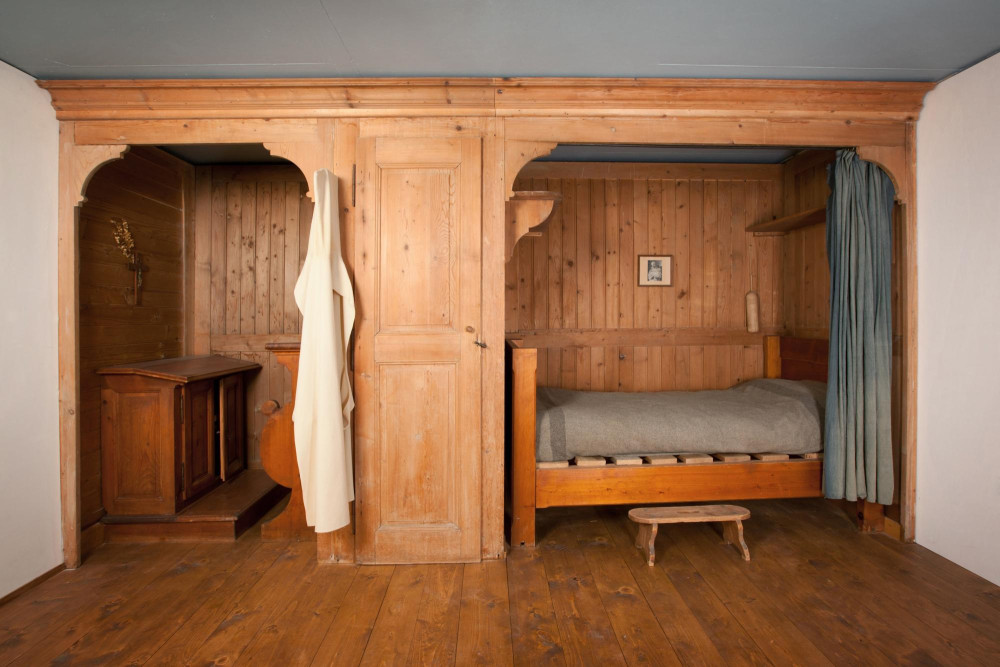
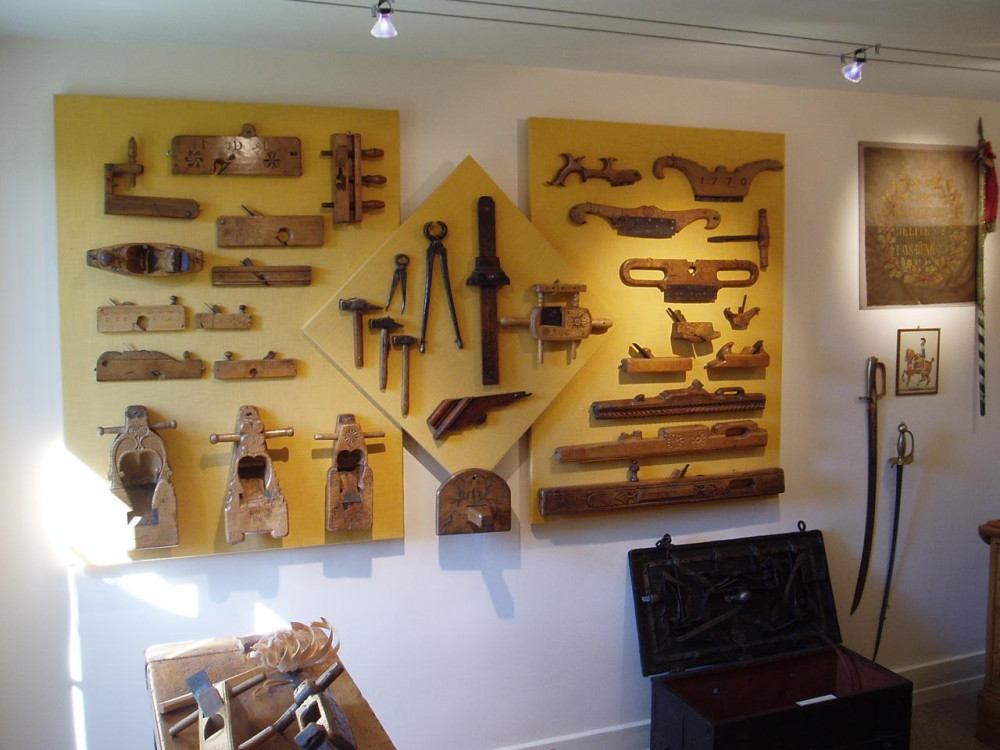
Thanks in no small part to the export of Gruyère cheese to Lyon market, alpine farming in Charmey flourished right up until the French Revolution. Many of the buildings and the surviving woodcraft tradition bear witness to the region’s former prosperity. In 1294, Carthusian monks established a charterhouse in la Valsainte where they have remained ever since. Featuring an original monk’s cell, the “Valsainte” room is a window into the deeply spiritual and secluded world of this religious order. A series of exhibitions traces the history, development, know-how and craftsmanship of the region. Since 1993 Charmey has hosted the International Paper Triennial, which attracts artists from around the world.
From artisan crafts to everyday objects, this museum of popular art offers visitors the opportunity to dive into the past. The highlight is the unrivaled collection of fabulous découpages, a celebrated typical art form of the Pays-d’Enhaut.
This short family hike will take you from Rougemont with its abbey and chalets decorated with filigree, home of the Swiss cutting designs' founder to the hot air balloon village of Chateau d'Oex
This stage will take you to the “Col des Mosses” on a leisurely and varied mountain path. Walk through the damp high plateau close to Monts Chevreuil and walk back down into the Sannetal.