Parc naturel régional Gruyère Pays-d'Enhaut
La Pierre aux Clercs
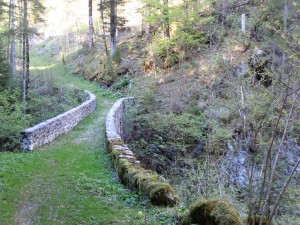
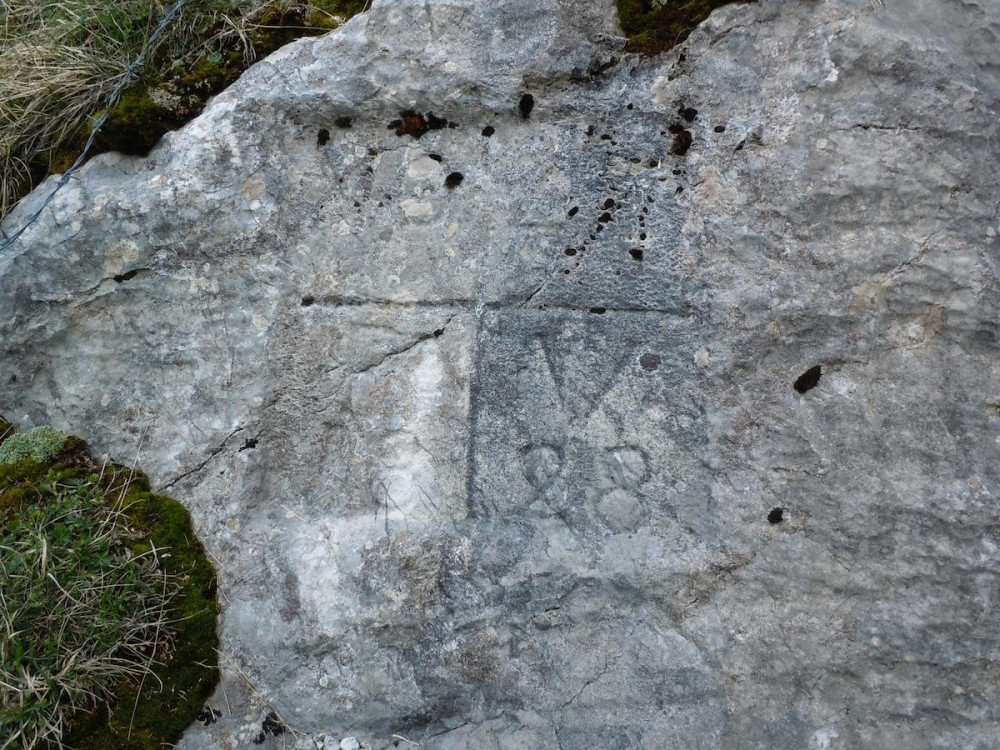
This border is still lined by agricultural exploitations. The vaudois and fribourgeois pastures are still clearly outlined by ancient stone walls and fences.
Historical building

Swiss Parks Network
Monbijoustrasse 61
CH-3007 Berne
Tel. +41 (0)31 381 10 71
Mob. +41 (0)76 525 49 44
info@parks.swiss

This border is still lined by agricultural exploitations. The vaudois and fribourgeois pastures are still clearly outlined by ancient stone walls and fences.
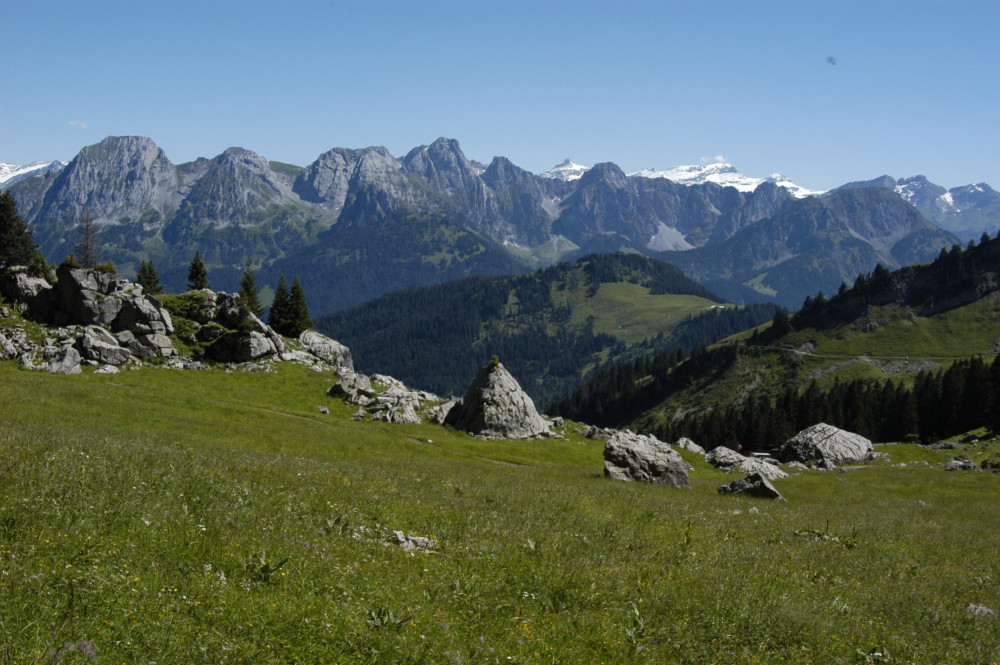
Located in the Prealps, south of Château-d'Œx on the left bank of the Sarine river, La Pierreuse reserve encompasses 34 square kilometers of mid-mountain terrain. It extends from the Gummfluh mountain range to the Pic Chaussy range. La Pierreuse is listed in Federal Inventory of Landscapes and Natural Monuments of National Importance. It is a crown example of typical subalpine terrain: rocky zones; alpine prairies with rich flora; marshes; fir, pine and spruce trees; and deciduous forests.
La Pierreuse Reserve, created in 1945, is now managed by Pro Natura with a commission uniting concerned parties for nature conservation in the canton of Vaud.
Just the journey alone with the rack-railway from Montreux to the summit of the Rochers de Naye will delight those interested in culture.
From Rougemont, which was once the priory of Cluny, the trial goes over the Kirchenhügel from Château-d'Oex to the Grand Chalet of Rossinière. It goes between the rushing Saane and landscape steeped in history, moulded by the mountain farmers.
The route ascends an alpine road up to the mountain ridge underneath La Petite Chia Alp. From there the trail descends to Montbovon and the the Hongrin valley, an essential passageway for the Gruyère and Pays-d’Enhaut alpine farmers.
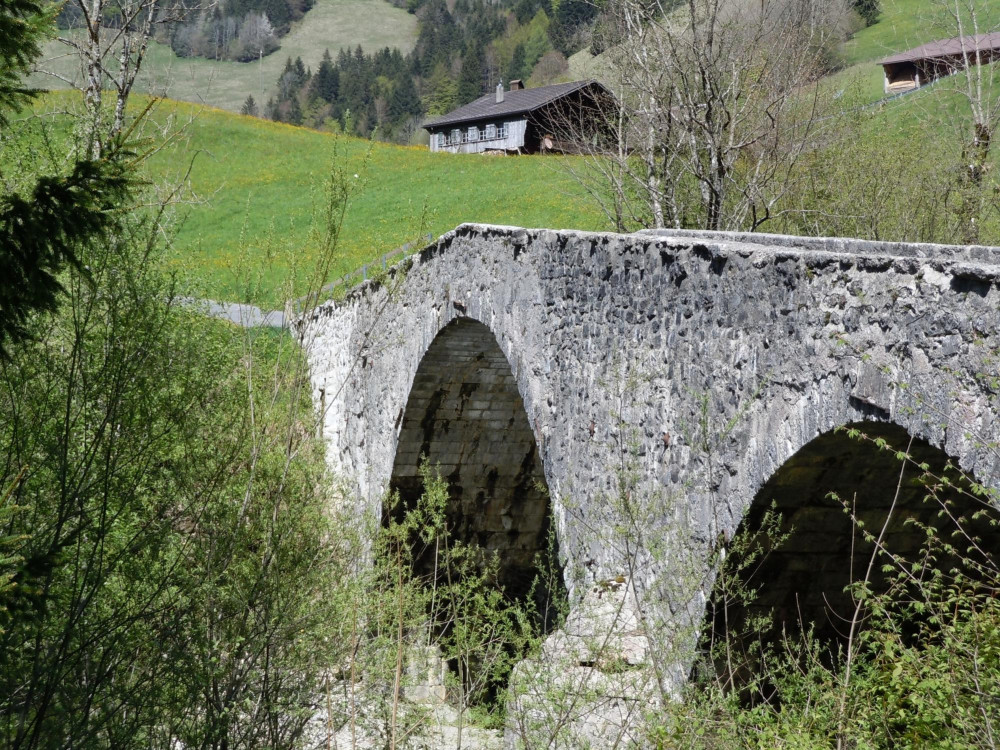
La Tine Bridge was built in 1785. Its twin arches over the Sarine connect local hamlets to the chemin royal (royal path) that Leurs Excellences de Berne (the excellencies of Bern) had built in 1748. Today, the bridge is located in the main artery of the valley.
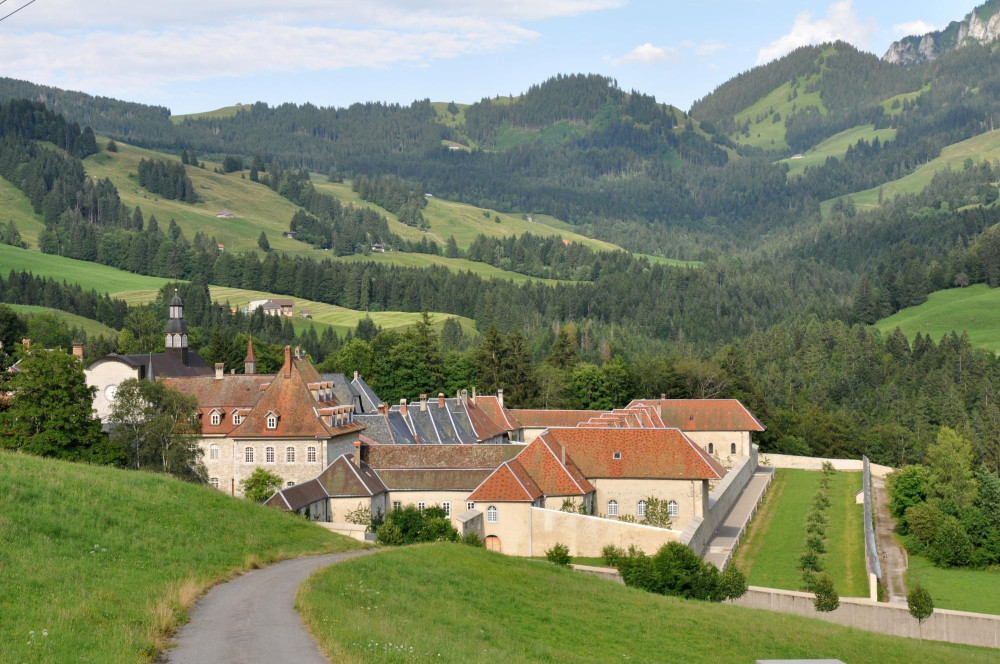
La Valsainte is tucked into the Javro Valley, in the municipality of Cerniat.
The Valsainte was founded in 1294, following a donation from Girard 1st of Corbières. Until the 16th century, only the church was of solid stone construction. The conventual buildings and cells were wood. Tragic, deadly fires scar the history of the Valsainte. In 1778, the Charterhouse was closed and the monks moved to La Part-Dieu (Bulle). Authorized by the state of Fribourg to buy back the Valsainte in 1861, the Carthusians entirely reconstructed their monastery. From 1863 to 1903, a series of additions were put on the Valsainte. The last line of cells was erected in order to accommodate Carthusians chased from France. These cells were demolished in 2008 in order to restore the stability of the monastery threatened by erosion.
A gentle stroll through the Javro valley
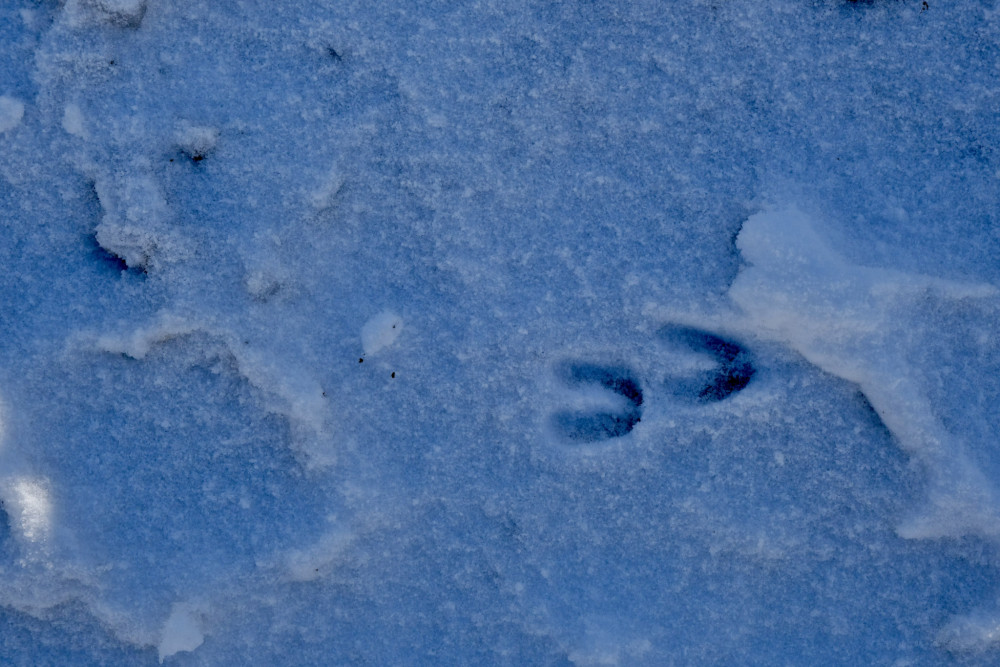
En apprendre plus sur le comportement méconnu de la faune sauvage en hiver.
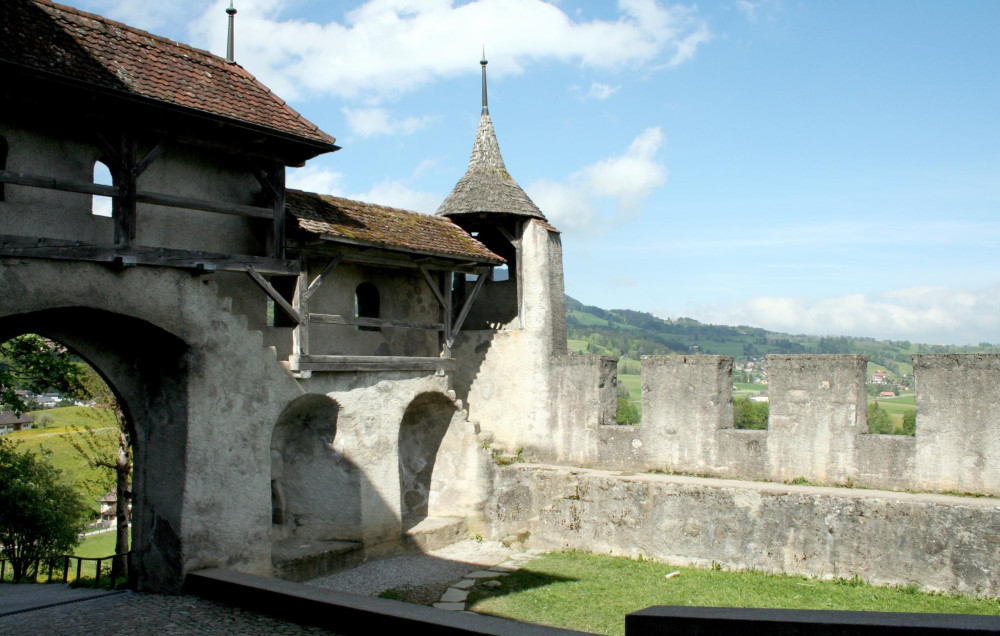
It is known as the Belluard (meaning boulevard) passageway and fortifications. Two Gruérien warriors are depicted on the fortified gate. These warriors, Claremboz et Bras de Fer ("Iron Arms"), fought off the first assault of the Oberland Everdes war in 1349.
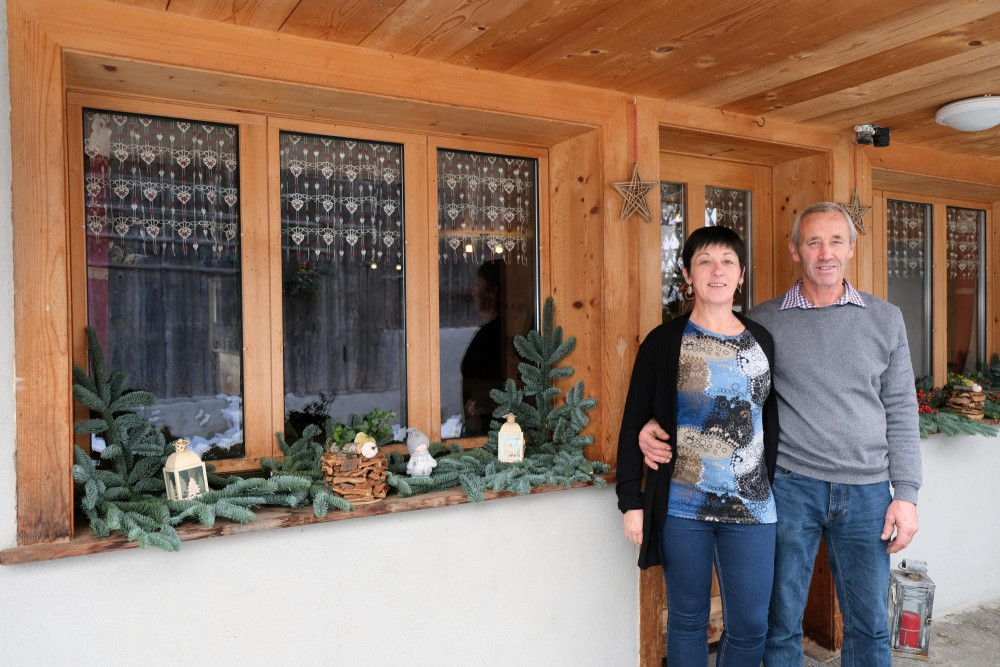
Breakfast includes fresh milk, jams, homemade yoghurt and local cheeses from a nearby village on the banks of the Sarine river.
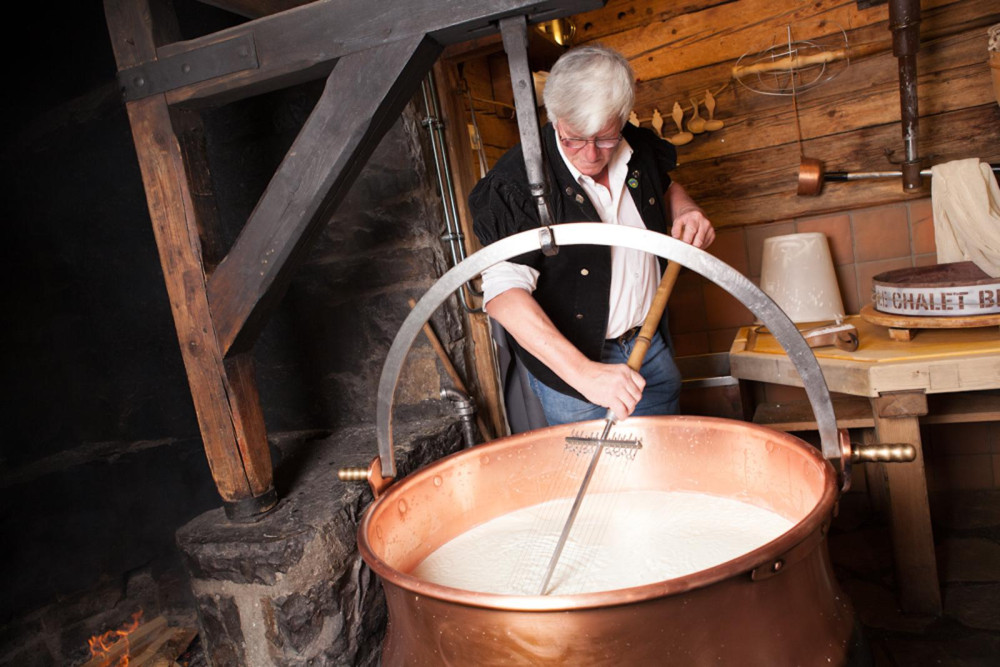
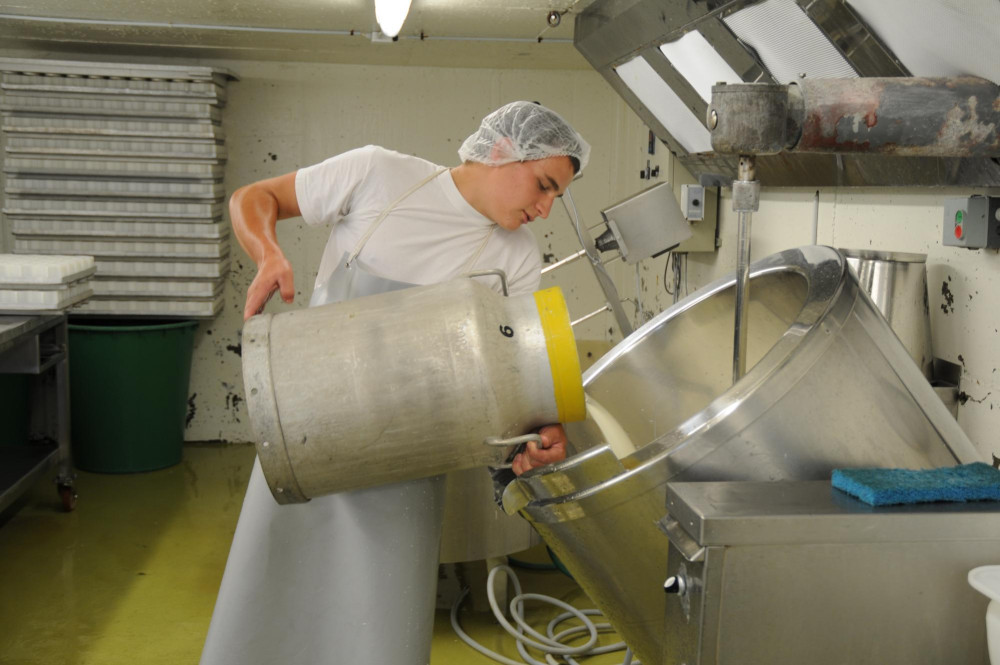
Le Chalet is one of Château-d'Œx’s most popular tourist attractions. Its famed organic cheese, Le Chalet Bio, is made by heating milk from mountain farms in large vats over a wood fire. In the heart of the restaurant, the cheesemaker, dressed in traditional garb, turns between 160 and 200 litres of organic milk into a 16-20 kilo wheel of hard cheese. The wheels are then left for around five to six months in a ripening cellar. The end product also features on the restaurant menu, either as part of a cheese board or as a special ingredient in a number of dishes.
The artisan cheese-making demonstration takes place from Wednesday to Sunday, 10.30 am to 12.30 pm. Group visits can also be booked in advance (minimum group size: 15).
Visitors can buy Le Chalet Bio and lots of other great local produce and souvenirs in the shop on the ground floor.
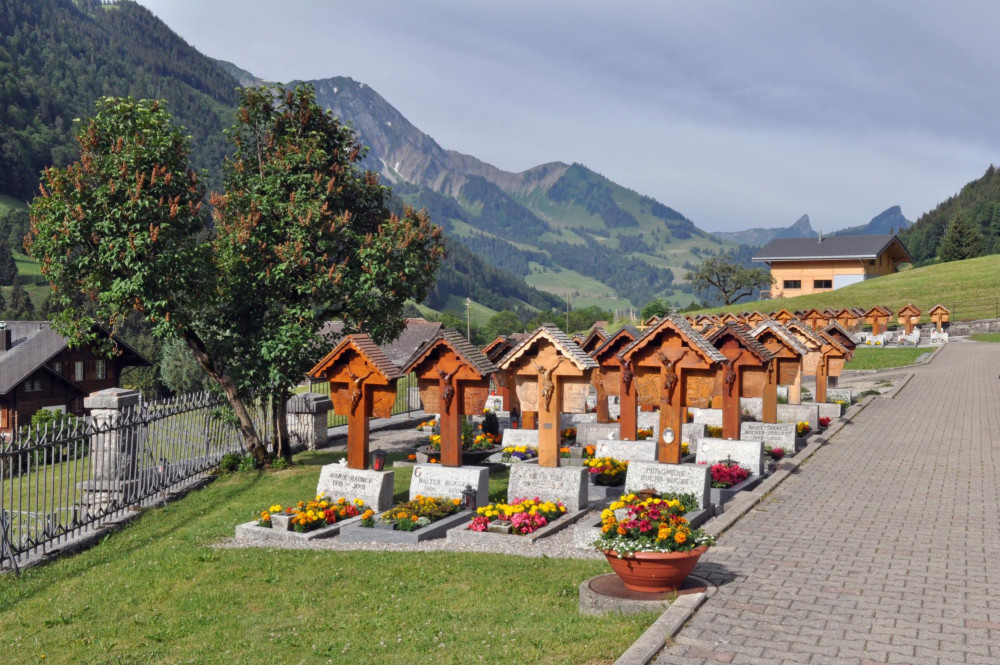
On peut admirer sur les tombes du cimetière de Jaun des sculptures rendant hommage au défunt en le présentant dans des aspects de sa vie. Il s’agit là d’un exemple visible de la commémoration rendue aux défunts.
Ailleurs dans le canton, le 1er novembre, jour de la Toussaint, nombre de Fribourgeois catholiques se rendent au cimetière pour honorer leurs défunts. Les tombes sont soigneusement fleuries de chrysanthèmes. Suivant les paroisses, les fidèles se recueillent également le matin ou l’après-midi, lors d’une célébration ou d’une messe.
Les rituels autour de la mort ont évolué ces vingt dernières années. Les défunts reposent de moins en moins souvent à la maison, les paroisses disposant de chapelles mortuaires. En revanche, on observe des constantes concernant la cérémonie d’adieu, qu’elle soit suivie de l’incinération ou non: elle est presque exclusivement de rite catholique ou protestant et réunit des assemblées nombreuses. Elle est traditionnellement suivie de la collation, une
From the Col des Mosses, the hiking trail cross over streams and through forests to Les Monts Chevreuils. Along the way there are several breathtaking views, such as the Sarine Valley, Château-d’Œx and Les Vanils mountain range.
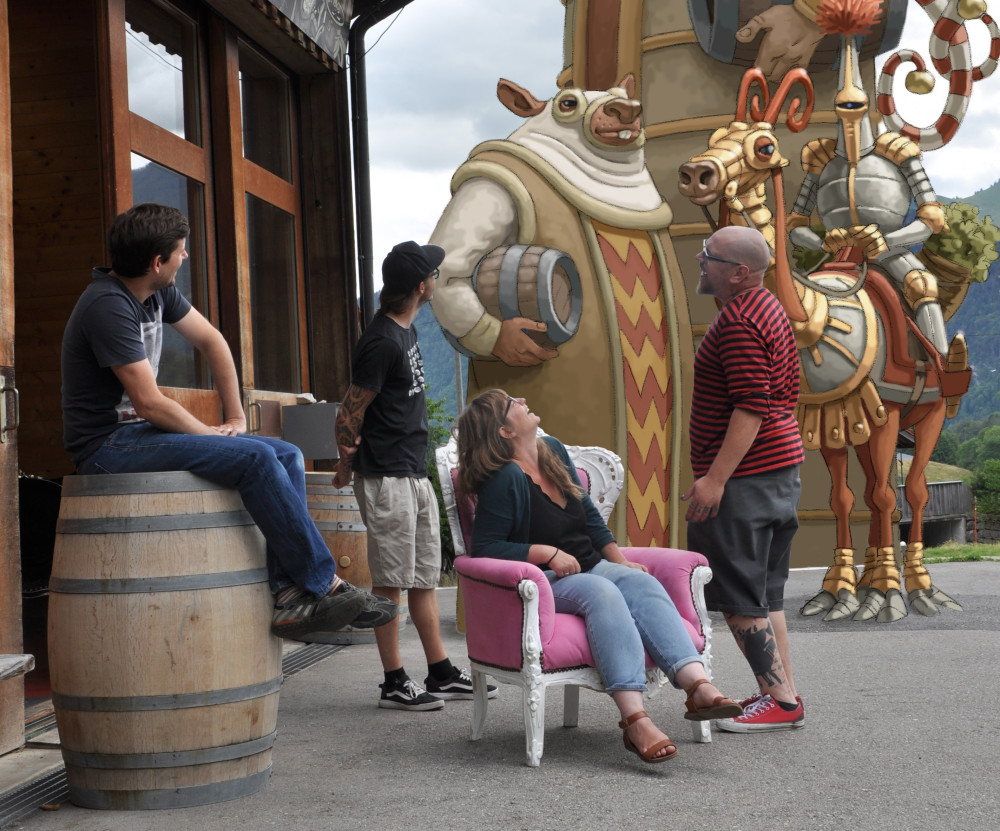
In Pringy, Le Fou du Roi brews creative beers with local flavours in a family-run microbrewery powered by wood from the municipal forest.
The Grand Chalet, formerly the Grande Maison, was built in 1754 for two families. On the lower ground floor an immense cheese cellar can be found. Jean-David Henchoz, the general contractor, attempted to make this a cheese commerce center. From 1857 to 1976, the building was converted into a hotel, where Victor Hugo once spent time. The painter, Balthus bought the building in 1977. He lived and worked there until the end of his life in 2001.
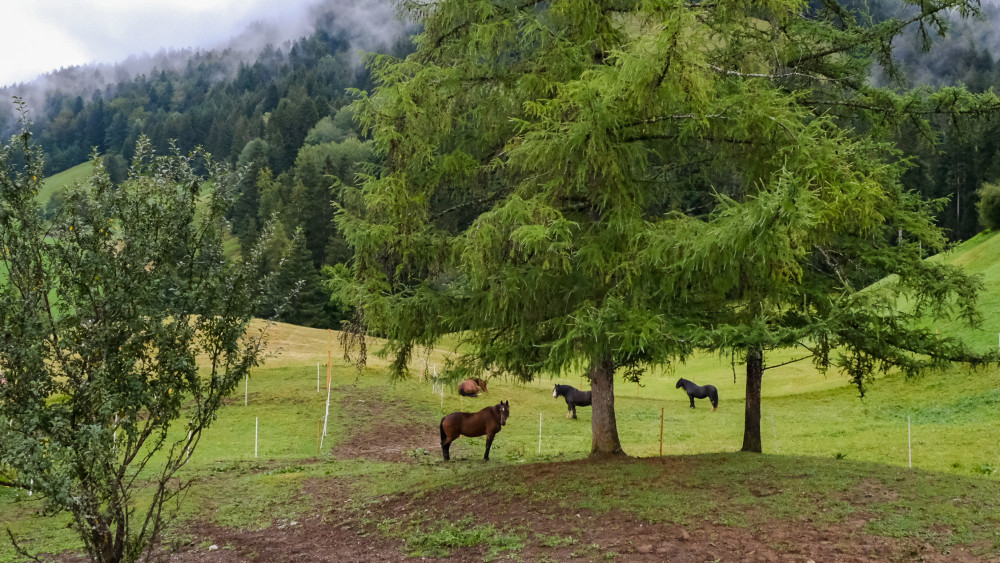
Accompagnée de ses chevaux en liberté, Carine Morier propose une journée d’exploration du leadership et de la cohésion d’équipe. Alternant apports théoriques et interactions avec le troupeau, l’expérience s’inspire du fonctionnement du vivant.
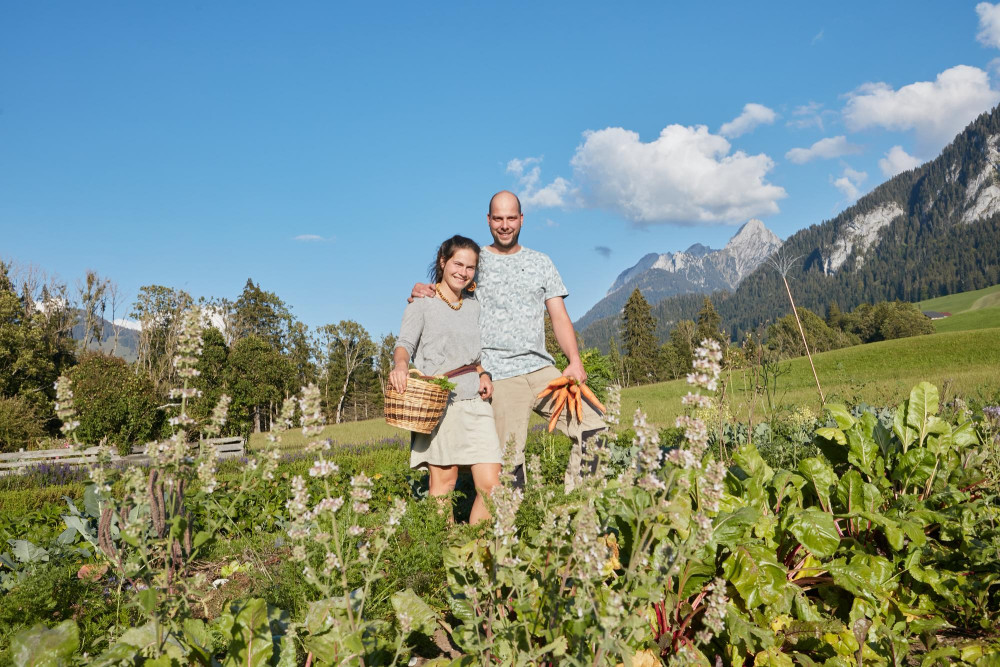
Potag’Oex came to life in 2020. When Yaëlle lost her job in early 2020, she began plotting her comeback, this time as a market gardener. The timing could not have been better: some agricultural land in the village of Les Moulins had just become available. These fields had previously been worked by the Tilles, a family of organic farmers.Bastien quickly joined Yaëlle on this adventure. With Federal Vocational Diplomas in agriculture and horticulture, Yaëlle is in charge of the farming side of the business (growing of vegetables and aromatic plants). Bastien oversees the administrative side, although he does step away from his desk every now and then to help out in the fields. Everything the co-founders do is informed by Bio Suisse label standards.Potag’Oex also offers a vegetable box service, with delivery every Friday. They are packed full of seasonal organic produce grown by Yaëlle and Bastien and supplemented from time to time with vegetables grown by other Swiss organic fa
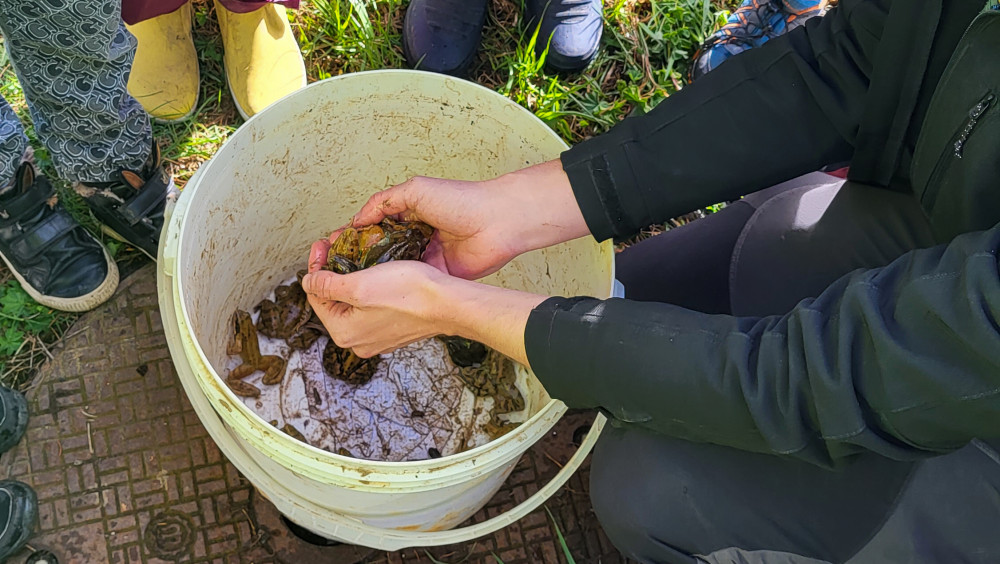
Apprendre à reconnaître les différentes espèces d'amphibiens présentes en altitude leur cycle de reproduction, leur écologie ainsi que l’importance de les préserver.
The magical landscape of the Intyamon valley awaits you for this moderately severe snow-shoe trail starting at the station in Allières.
In 1990 dairy farmers and L’Etivaz AOP cheesemakers, Jean-Robert Henchoz and his wife decided to branch out into sheep farming. When they realised there was a growing demand for sheep’s milk products, they gave up rearing dairy cows in Rossinière.
Today, the Henchoz family manages a flock of more than 1,000 sheep, the largest in the Pays-d’Enhaut, which provide milk all year round for the Fromagerie le Sapalet. With the arrival of the younger generations, the farm began expanding its product range. It now features both goat’s and cow’s milk specialities, all of which meet stringent Bio Suisse standards.
Le Sapalet products are now sold across Switzerland. In 2017 the Henchoz family opened a shop at their cheese dairy in Rossinière. As well as the full range of Le Sapalet dairy products, customers can also choose from a selection of meat products, including mutton as well as lunch and deli meats made from pigs reared on the Henchoz farm.
All year round, Esther and Jean-Claude live and work on their family farm at La Comballaz, situated at an altitude of 1,400 metres.
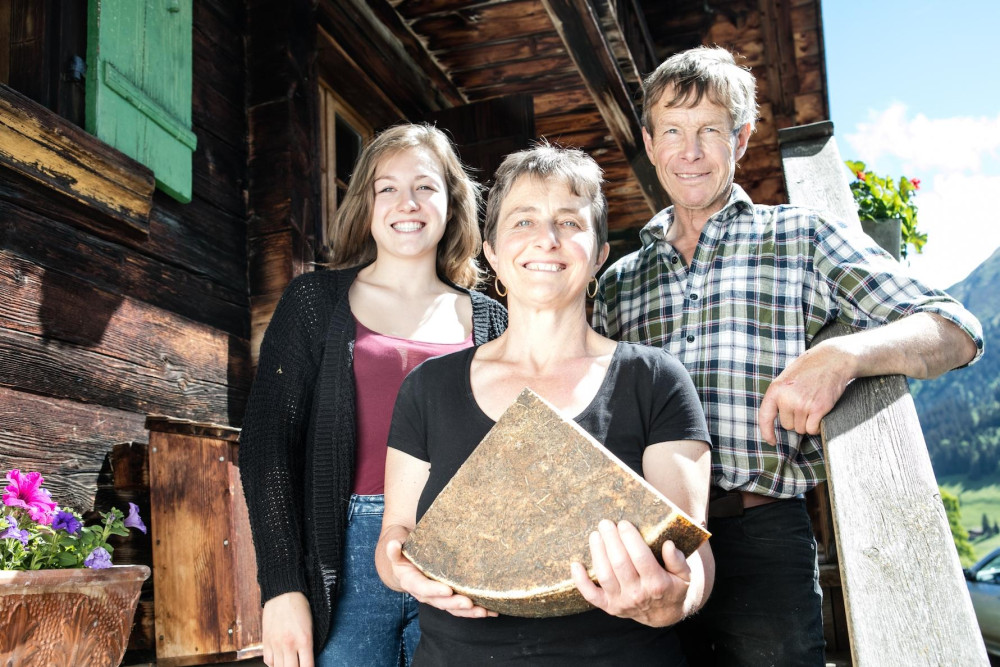
In the summer, they take their 15 cows up to their mountain pastures in Sonnaz, overlooking Les Mosses. Every morning and evening, Jean-Claude milks the cows and returns back to the farm with this white gold, which Esther uses to make hard cheeses, raclette cheese and tomme. All are made from raw Alp milk which has been heated in a copper vat over a wood fire, and are left to mature in the farm’s ripening cellar. They are then sold directly on the farm, in the local area (Les Mosses, Le Sépey, Leysin) and further afield, in Lausanne and Geneva.
Their signature product is the hard cheese Le Serpolait, which takes it name from the locally foraged dried wild thyme [‘serpolait’ in French] that is dusted over the rind after the cheese has been in the ripening cellar for six to eight weeks.
Les Avants developed a notable hotel industry starting the middle of the 19th century with the arrival of public transportation. The village has a unique regional architecture. In Sonloup, the funicular (built in 1911), with its distinctive red cars, was recently restored.
From tranquil mountain pastures to tumultuous waterfalls.
The Chauderon gorges are closed until further notice.
Situés à 900 m d'altitude, les Bains entourés d'un panorama exceptionnel, les Bains offrent une vue splendide sur les Préalpes fribourgeoises.
The Alp cheesemaking season is short. Between April to October, alpine farmers make between two and three wheels of Alp cheese every day. The process involves heating milk in huge 800-litre capacity copper vats; twelve litres of milk are needed to make one kilo of cheese. The altitude and position on the mountain slope of the alpine farm as well as the surrounding flora and the cheesemaker’s expertise are what lends each cheese its unique and distinctive character. It is precisely this diversity that sets Gruyère d'Alpage AOP apart.
Because Alp cheeses must be turned and brushed every day, in both summer and winter, they cannot be kept in the mountain ripening cellars for the entire 24 months. The armaillis [mountain dairy farmers] move the wheels to the La Tzintre ripening cellars (Charmey) in the valley below. These facilities, which accommodate 7,000 wheels of both Gruyère AOP (approx. 150 tonnes) and Vacherin fribourgeois AOP (20 tonnes), offer the best possible storage and matur
Starting point / trailhead : Alpage de la Dent, Château-d'Œx
Point of arrival : Cabane des Choucas
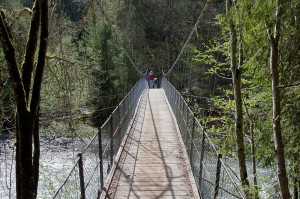
Starting in Les Combes, the trail leads over meadows and pastures down to the Saane river and crosses it. The trial then goes over an old suspension bridge before one arrives in the village centre of Château-d'Oex.
La Pierreuse, green pastures, and limestone slopes
In our office, you will find various informative brochures about Col des Mosses and the region, as well as a personable welcoming committee who will gladly help you plan your visit. Specific suggestions will help you choose the activities that best suit you in the region.
There are countless opportunities for tourists in the Mosses – La Lécherette plateau region from family skiing, cross-country skiing and snowshoeing in winter to hiking, mountain biking and other warm weather activities in summer. This region is known for its beautiful natural landscapes and alpine lakes.
Our tourist office is also equipped with an information point for the Gruyère Pays d’Enhaut Regional Nature Park, where you can find all the documents published by the park.