Regionaler Naturpark Schaffhausen
Buchberg
Die Kelten erstellten vor ungefähr 1500 Jahren das Dorf Buchberg auf dem Hügel. Bestaunen Sie das heutige Dorfbild mit den Riegelhäusern.
Site

Swiss Parks Network
Monbijoustrasse 61
CH-3007 Berne
Tel. +41 (0)31 381 10 71
Mob. +41 (0)76 525 49 44
info@parks.swiss
Die Kelten erstellten vor ungefähr 1500 Jahren das Dorf Buchberg auf dem Hügel. Bestaunen Sie das heutige Dorfbild mit den Riegelhäusern.
Bücherfreunde können sich freuen. Der Bücherkasten Welschenrohr ist gut gefüllt, die Bücher sind gratis und der Kasten offen für alle. Bücher hinbringen, Bücher mit nach Hause nehmen, lesen, wieder bringen oder behalten.
Die Burgflue liegt über einer hohen Felswand und bietet eine Aussicht bis in den Schwarzwald. Mit etwas Glück entdecken Sie Gämsen oder eine der seltenen Felspflanzen.
Die Burgruine Greifenstein thront auf einem zerklüfteten Felsen über dem ersten Kehrtunnel der Rhätischen Bahn oberhalb von Filisur auf 1‘246 m ü. M..
According to legend a miller experienced a miracle in 1668 on the Buschberg. Since then the cross erected there and the chapel which was built later have become a place of Christian pilgrimage. Nearby there is a Celtic burial mound.
The Vaudois Jura Nature Park houses the largest colony of wood ants in Europe. The busy workers can be easily observed here at work.
Das Campagne Oberried ist ein beeindruckendes, zweigeschossiges Herrenhaus im Stil Louis XV als „Maison entre cour et jardin“.
The capricorn exhibition in the Center da Capricorns in Wergenstein imparts exciting and interesting information about the king of the Alps. The ibex was reintroduced 60 years ago in the region of the nature park and there are now about 300 animals.
The CasaStorica, a former residential house in Andeer village centre is both a museum and a stage. The exhibition tells the stories of the Hinterrhein valleys along the historical transit route ViaSpluga in a clear and direct way.
Le dicton populaire «Il pleut comme vache qui pisse» aurait inspiré un passant, qui aurait renommé «Pissevache » la cascade de Salanfe.
Cerniat is a typical agricultural mountain village with scattered structures (farms). The village was partially reconstructed at the end of the 19th century : the school and hotel in Heimatstil style (multi-faceted roofs and outdoor mural paintings). The Javroz river flows through the valley which features pastures, forests and several low-land marshes of national importance. For a long time, the forest was the main source of income, its richness evident in Grand Palne-Auta Chia Forest Reserve. Cerniat is an ideal region for hiking and snowshoeing. On the cultural and traditional side, local youth regularly put on plays in the local patois language.
Das Chäppeli ist eine Kapelle aus dem Jahr 1463 mit einem einzigartigen Pyramidenturm, der ein schönes Fotomotiv abgibt.
Nesting in the center of the Jogne valley, Charmey is a subalpine village at about 900 meters elevation. Its population (more than 1800 people) is growing: its location is prized for its high quality of life. Living traditions, beautifully preserved natural landscapes, and sports and cultural activities are abundant. The local economy is tied to agriculture and tourism. On mountaintop pastures and alpine farms, artisan cheese-makers produce Gruyère AOP and Vacherin Fribourgeois AOP during the summer months. The cheeses are then transported to the new Tzintre cheese cellars where they are aged. The village is home to several remarkable buildings, which bore witness to the golden age of alpine economy (16th to 18th century.).
In the Leuk-Stadt church there is a charnel house with a wall of skulls 20-metres long, which can be visited daily.
Die Chasa Jaura arbeitet eng mit der Lia Rumantscha zusammen, verbindet die kulturellen Kräfte der Val Müstair miteinander und baut Brücken zur Aussenwelt.
Das Chastè da Cultura im alten Schulhaus von Fuldera, Val Müstair, ist ein Ort der Kunst, Kultur und Begegnung.
Das Haus wird vom Verein Società Chastè da Cultura betrieben. Schwerpunkte bilden:
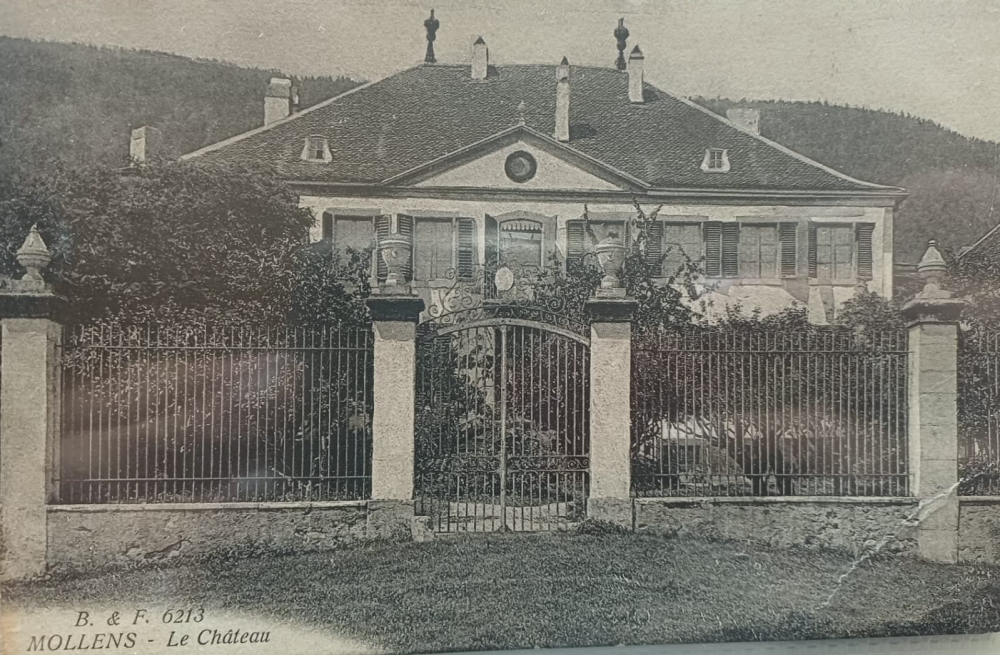
For over two centuries, Mollens Castle has been an integral part of the history of the Vaud countryside.
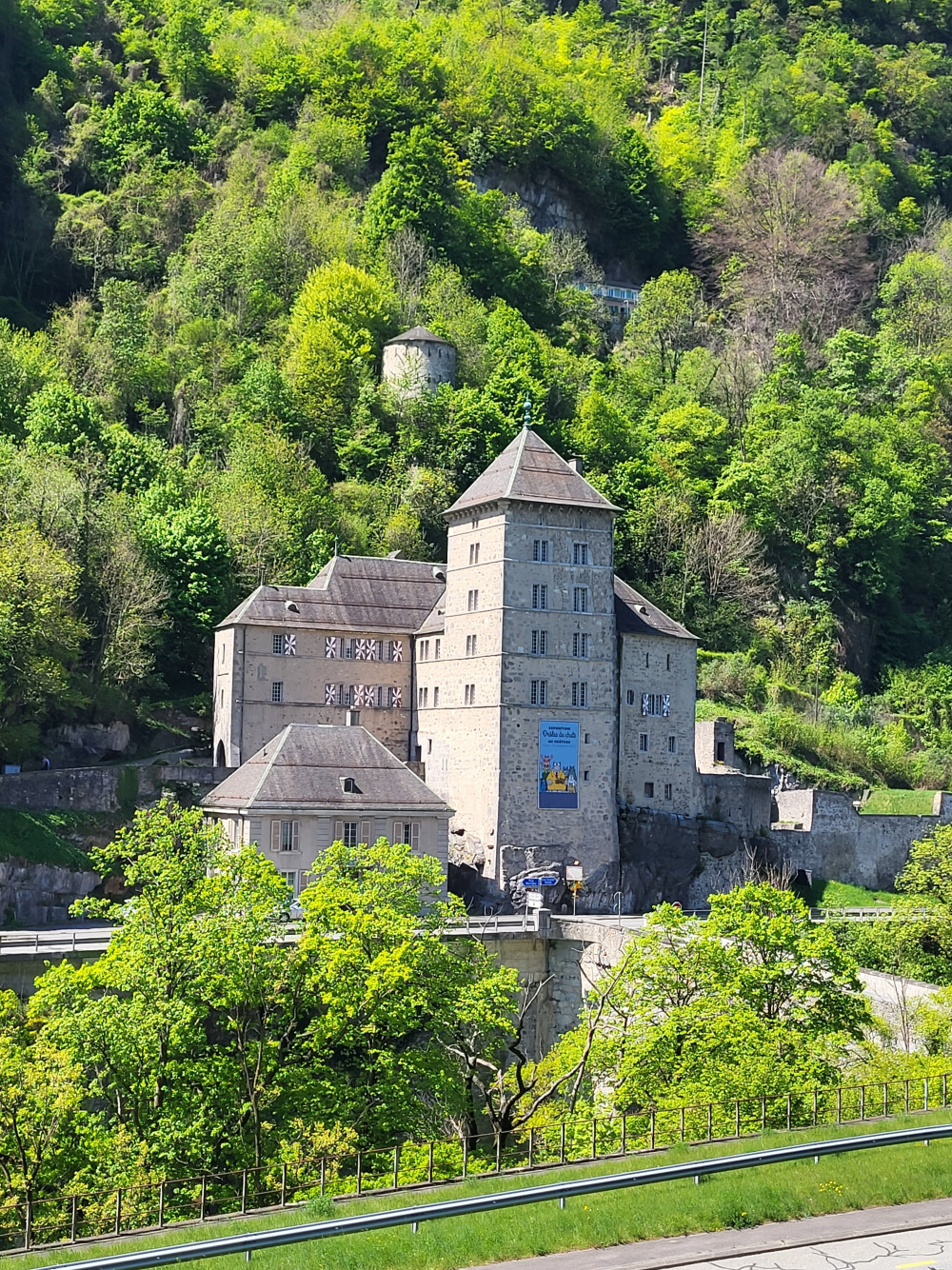
Édifié au XVe siècle à l’entrée de la vallée du Rhône, le Château de St-Maurice a traversé les siècles et connu de nombreuses fonctions. Aujourd’hui, il accueille des expositions uniques dédiées à la narration dessinée.
Château-d’Œx, with its double calling as a haven of agriculture and tourism, includes the villages and hamlets of Moulins, l’Etivaz, La Lécherette, Gérignoz, and Granges. Architectural gems dot the region: in town a group of marvelous stone buildings constructed after the fire of 1800 and in the rural surroundings superb examples of 17th and 18th century wooden farms. Surrounded by three mountains ranges, the largest municipality in the canton of Vaud is also home to the magnificent Pierreuse Nature Reserve established in 1945 and managed by Pro Natura. The mountainous region gives way to several valleys dominated by high limestone cliffs. The subalpine and alpine vegetation includes remarkable grasslands and marshes.Chateau-d’Œx offers multiple activities to visitors with its various sports facilities (ice-skating rink, bowling alley, gym, sports hall, pool, campground, ski-lifts) and cultural activities (movie theaters and museums).
In the Jogne valley, at 900 meters altitude, Chatel-sur-Montsalvens enjoys an ideal geographical location, resting on the hillside like a balcony overlooking the valley and man-made lake of the same name. It also has an outstanding view of the Dents Vertes in the direction of Chamey and the Moléson in the direction of Broc. Although agricultural production has been lost in the village, there are still a few typical fribourgeois style farms, now homes and second homes. Along the Cheese Trails toward Gruyères, you can see the ruins of Montsalvens (Broc municipality), a castle dating back to the era of the Counts of Gruyères (13th century).
At Chaudanne Spring, water seems to emerge from the depths of the Earth. Water seeps into the ground on the east slope of the Vanils Range and joins an interminable underground network of subterranean galleries, only to reach the surface after travelling several kilometers underground. Located several meters below the main road (Bulle – Château-d’Œx), the spring is circular in form with a diameter of about 2 meters. It spills into a flooded funnel, which marks the entrance to a subterranean water network.The Chaudanne is a vauclusienne spring, which means that its water climbs vertically through pressurized subterranean channels before reaching the surface. Rising from a depth of several hundred meters, this site constitutes one of the deepest submerged galleries in the Prealps. The site is made even more special by the fact that it has been explored by speleologist-scuba divers. In 1988, scuba diver Cyrille Brandt reached the depth of -143 m, which was the deepest speleological
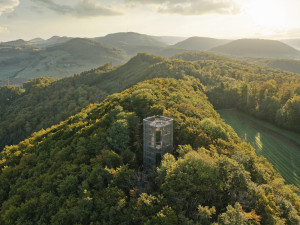
Enjoy a fantastic 360° panorama from the Cheisacher tower situated at a height of almost 700 metres with a view of the Jura, the Alps and the nearby Schwarzwald. Treat yourself to a trip in the Frick valley.
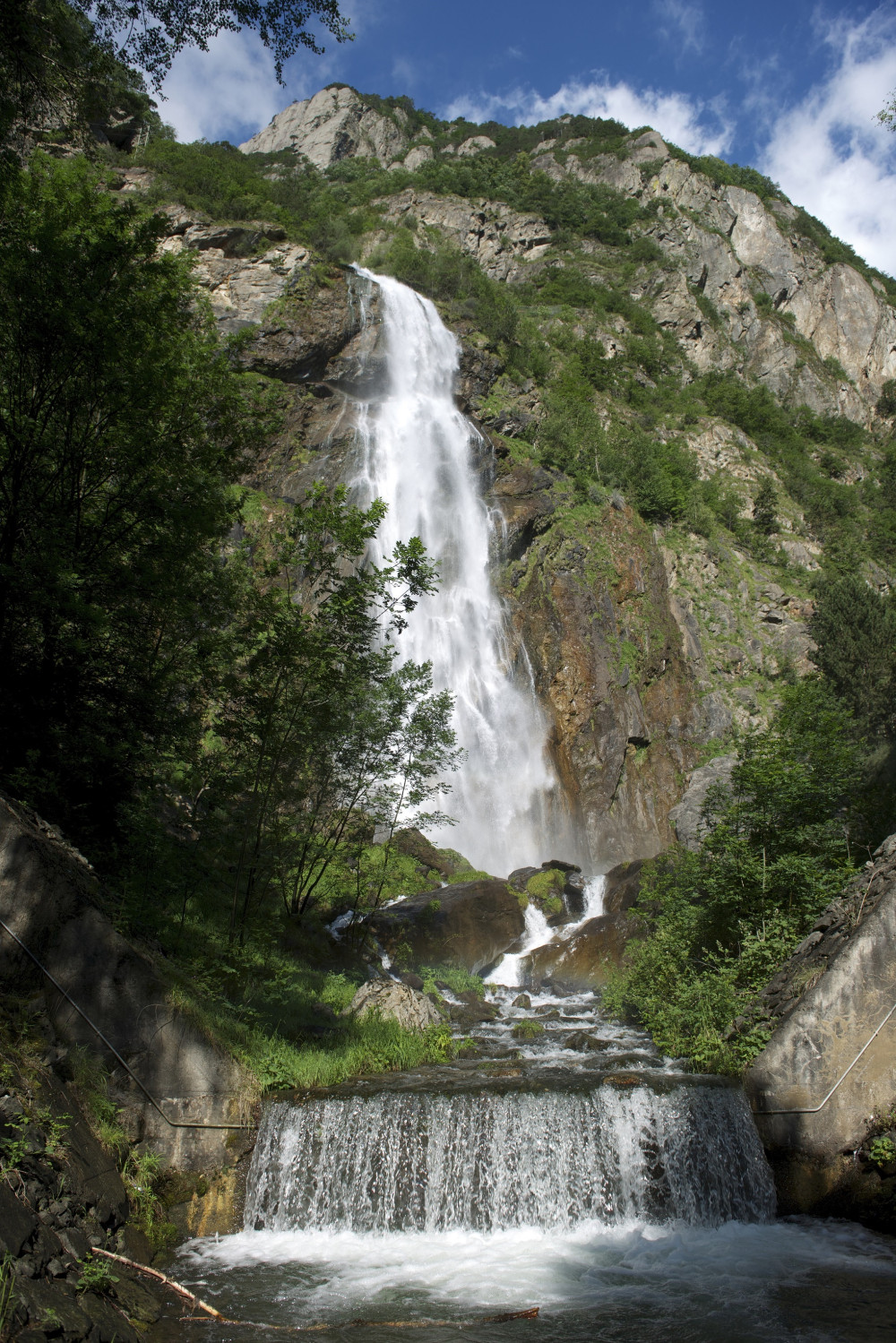
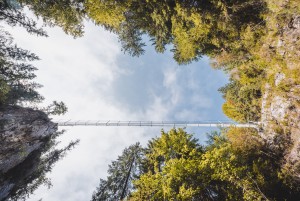
Chessiloch waterfall & hanging bridge
An emotional and educational journey of more than 90 minutes, punctuated by screenings, demonstrations, unique interactive and sensory experiences and, of course, gourmet tastings.
The parish church in Varen is not only architecturally interesting. Its location offers a unique viewing point. Enjoy the view from the church of the Rhone valley and the forest of Pfyn/Finges nature reserve.
The parish church of St.Georg was built by the famous Prismell master builder Ulrich Ruffener under Bishop Matthäus Schiner of Mühlebach. The magnificent Baroque high altar dates back to 1758-61.
Montheron Abbey is a historic place that awaits your visit. Noticed in 1135 already by the Cistercian monks who established their monastery at the edge of the Talent, this place on the western edge of the Jorat forest is very poetic.
The church of Notre-Dame in Bassins which lies on a crest over the Lake of Geneva, dates from the 11th century. The former Cluniac priory is an important monument.
The church of St. Martin in Zillis is also known as the "Sistine Chapel of the Alps" with its 12th century worldwide unique painted wooden ceiling and is one of the most important cultural assets in the Beverin Nature Park.
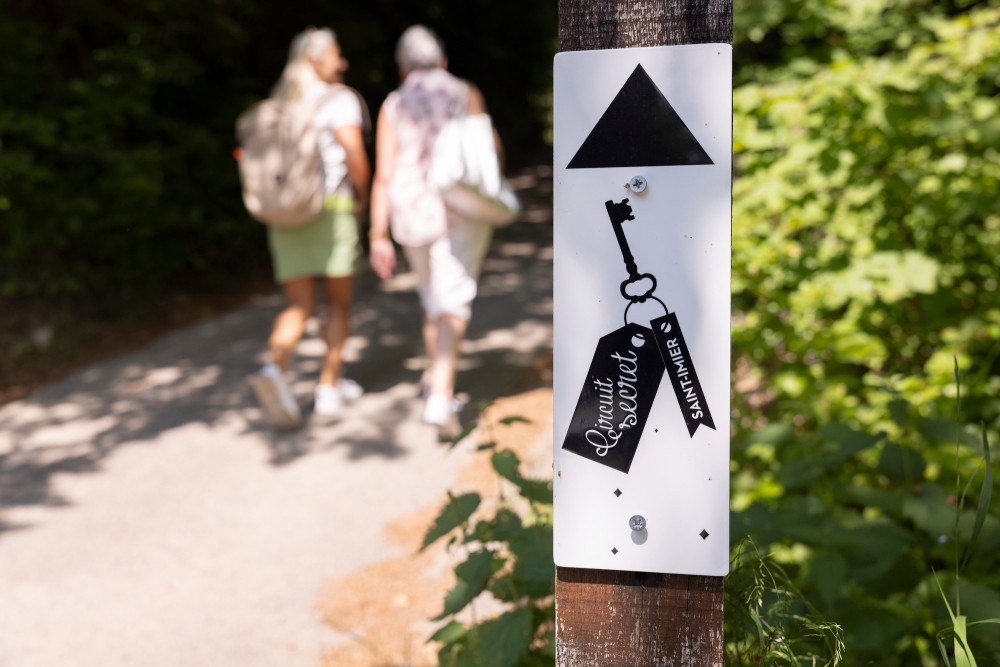
Enjoy privileged access to five mythical locations in Saint-Imier, while witnessing unique artistic animations related to their history. You can explore the EXPO ELECTRO or become familiar with the mechanism of an old water pump. All these spaces have been highlighted by the local artist Swann Thommen, who has immersed each location in a luminous atmosphere echoing the theme. Additionally, presentation panels at each stop provide more insight into the artistic intentions.